
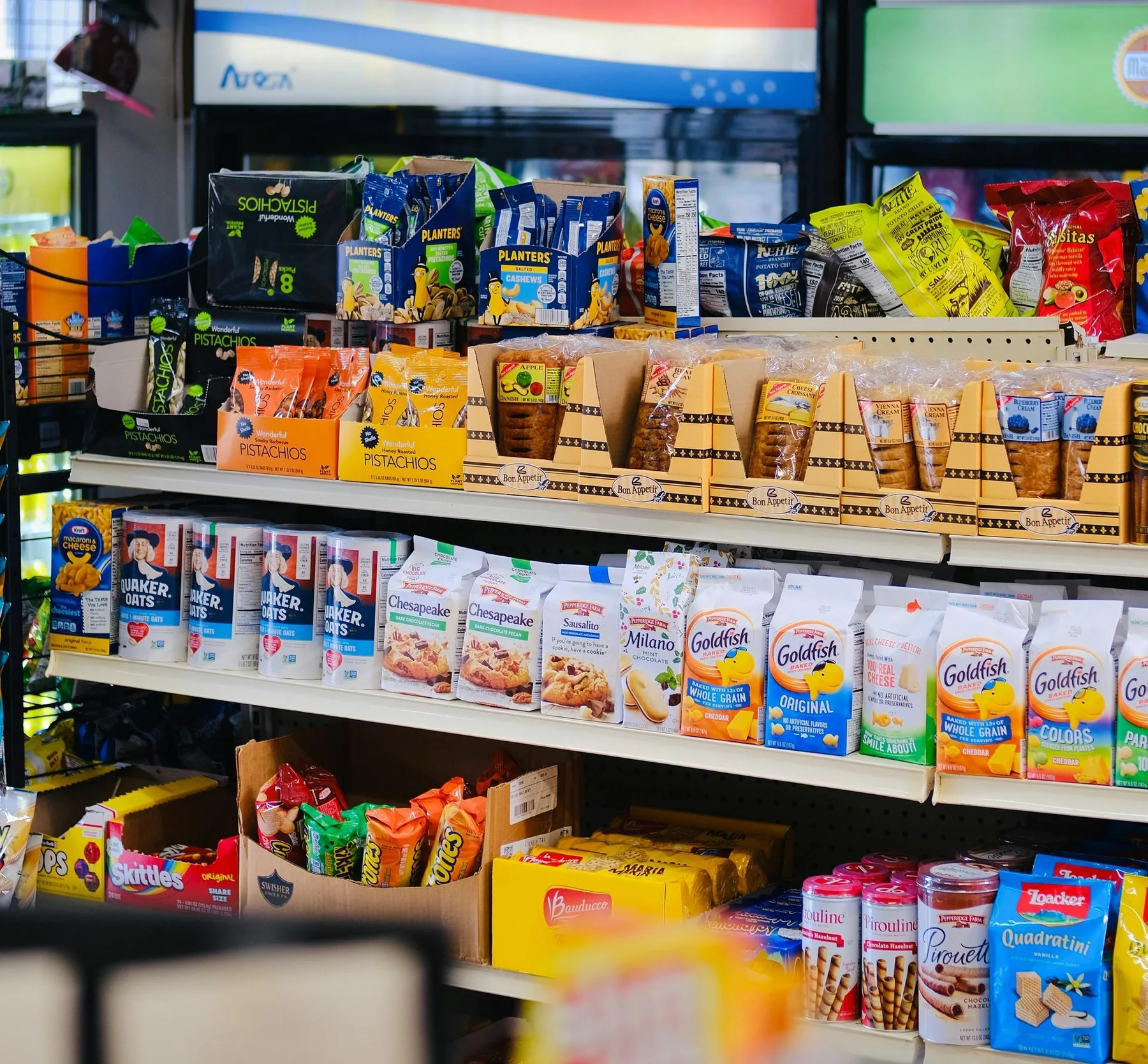
In recent months, ultra-processed foods (UPFs) have been spotlighted across news outlets, documentaries, and wellness conversations worldwide. And as our food landscape becomes increasingly industrialized, many people are beginning to ask a simple but important question: What are these foods really doing to our bodies?
As a gastrointestinal surgeon and someone deeply committed to whole-person healing, I’ve seen firsthand how the modern diet influences inflammation, digestion, metabolism, and even our emotional resilience. And here at Coral Cove Wellness Resort in Jamaica, where nourishment comes from the earth, the ocean, and the rhythm of nature itself, this conversation feels more meaningful than ever.
Understanding UPFs isn’t about judgment or perfection. It’s about awareness—learning how certain foods either support or disrupt your well-being, and choosing what helps you feel grounded, energized, and connected to your body. With that spirit in mind, let’s explore what ultra-processed foods really are, how they influence your health, and how gentle shifts toward real, whole foods can elevate your wellness journey.
 What Exactly Are Ultra-Processed Foods?
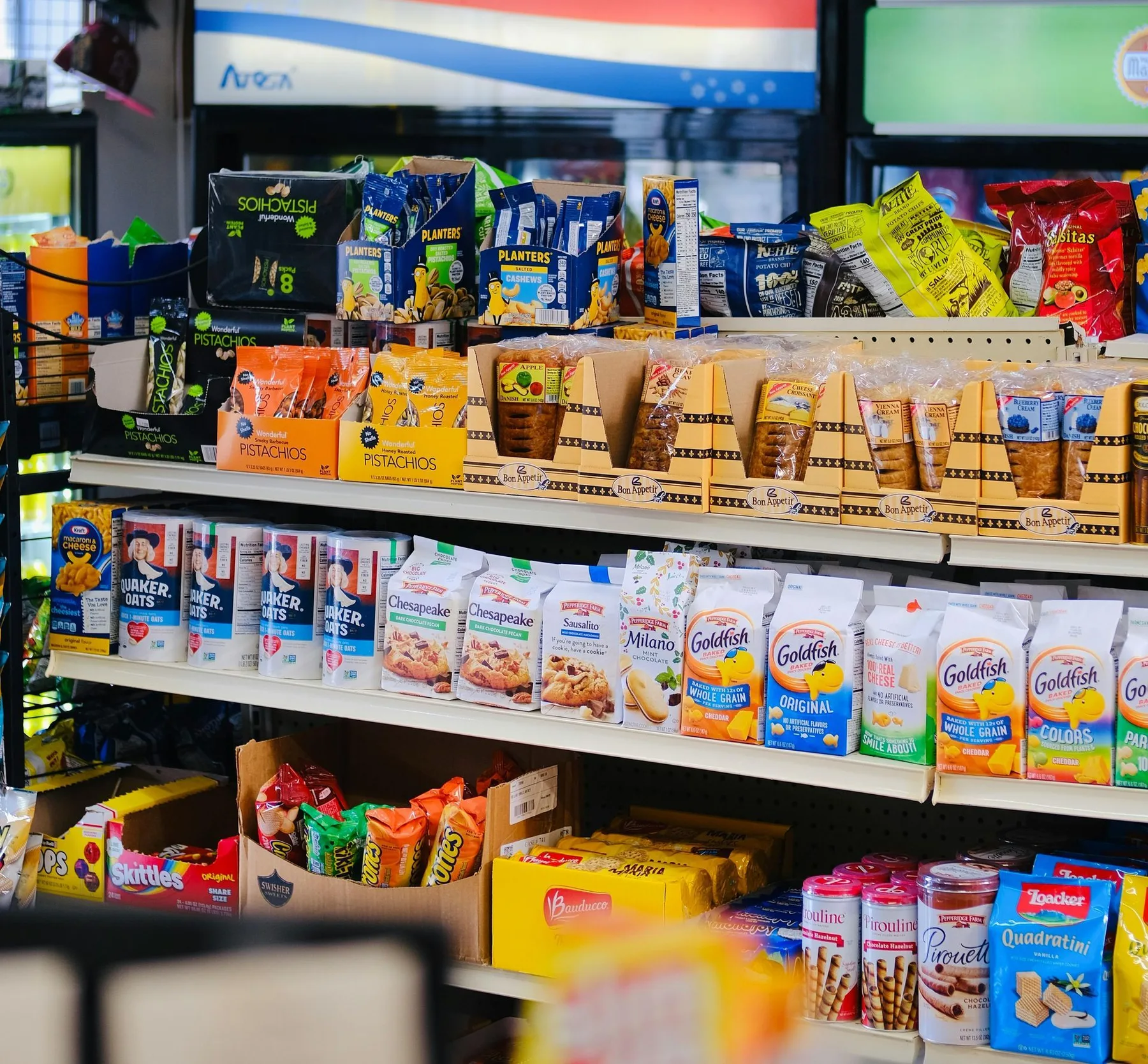
Ultra-processed foods go far beyond simple cooking, canning, or preserving. They are industrial formulations created through multiple layers of processing to achieve long shelf life, hyper-palatability, low cost, and convenience.
UPFs can be defined by:
- the fractioning of whole foods into substances,
- the chemical modification of those substances,
- the use of additives not found in home kitchens (like hydrogenated oils, high-fructose corn syrup, hydrolyzed proteins),and the inclusion of cosmetic additives such as flavors, colors, emulsifiers, sweeteners, and stabilizers designed to make products more appealing and addictive.
In essence, UPFs are engineered to taste good, feel good, and keep you reaching for more—often at the expense of your metabolic, digestive, and emotional health.
Common examples include:
- packaged snacks
- sweetened beverages
- instant noodles & boxed meals
- mass-produced breads
- processed meats (nuggets, hot dogs, deli slices)
- flavored cereals
- packaged pastries and desserts
These foods now contribute more than half of total dietary energy in many high-income countries, a trend with serious health implications.
 How Ultra-Processed Foods Affect Health & Well-Being
1. They Lower Nutritional Quality and Fuel Inflammation
Studies across multiple countries show that diets high in UPFs are:
- energy dense
- high in unhealthy fats, sugars, and salt
- low in fiber, protein, vitamins, and minerals
This deterioration in diet quality is consistently documented and strongly correlated with chronic disease.
2. They Disrupt the Gut Microbiome
UPFs often produce rapid blood sugar spikes and have low satiety, which can lead to overeating.
UPFs create a gut environment that promotes inflammatory microbes, contributing to digestive issues, immune dysregulation, and gut-brain imbalance.
3. They Increase the Risk of Chronic Diseases
The evidence is remarkably consistent:
UPF consumption is associated with higher rates of:
- obesity
- hypertension
- coronary disease & stroke
- dyslipidemia & metabolic syndrome
- functional GI disorders
- breast cancer and other cancers
A 2020 systematic review reported that no study has linked UPFs with beneficial health outcomes—only neutral or harmful ones.
4. They Affect Mood, Stress & Mental Wellness
Emerging data links high UPF intake with:
- increased depressive symptoms
- food addiction patterns
- emotional dysregulation
One prospective study found a significant association between UPF consumption and depression in adults.
The gut-brain axis is real—and dietary choices directly influence emotional resilience, clarity, and calm.
 How to Identify and Avoid Ultra-Processed Foods
1. Read Labels Slowly and Mindfully
If you see:
- artificial flavors
- artificial colors
- emulsifiers
- thickeners
- stabilizers
- hydrogenated or interesterified oils
- protein isolates
- ingredients you don’t recognize or wouldn’t cook with…it’s likely ultra-processed.
These cosmetic additives are a clear signal the food was engineered, not grown.
2. Choose Whole, Minimally Processed Foods
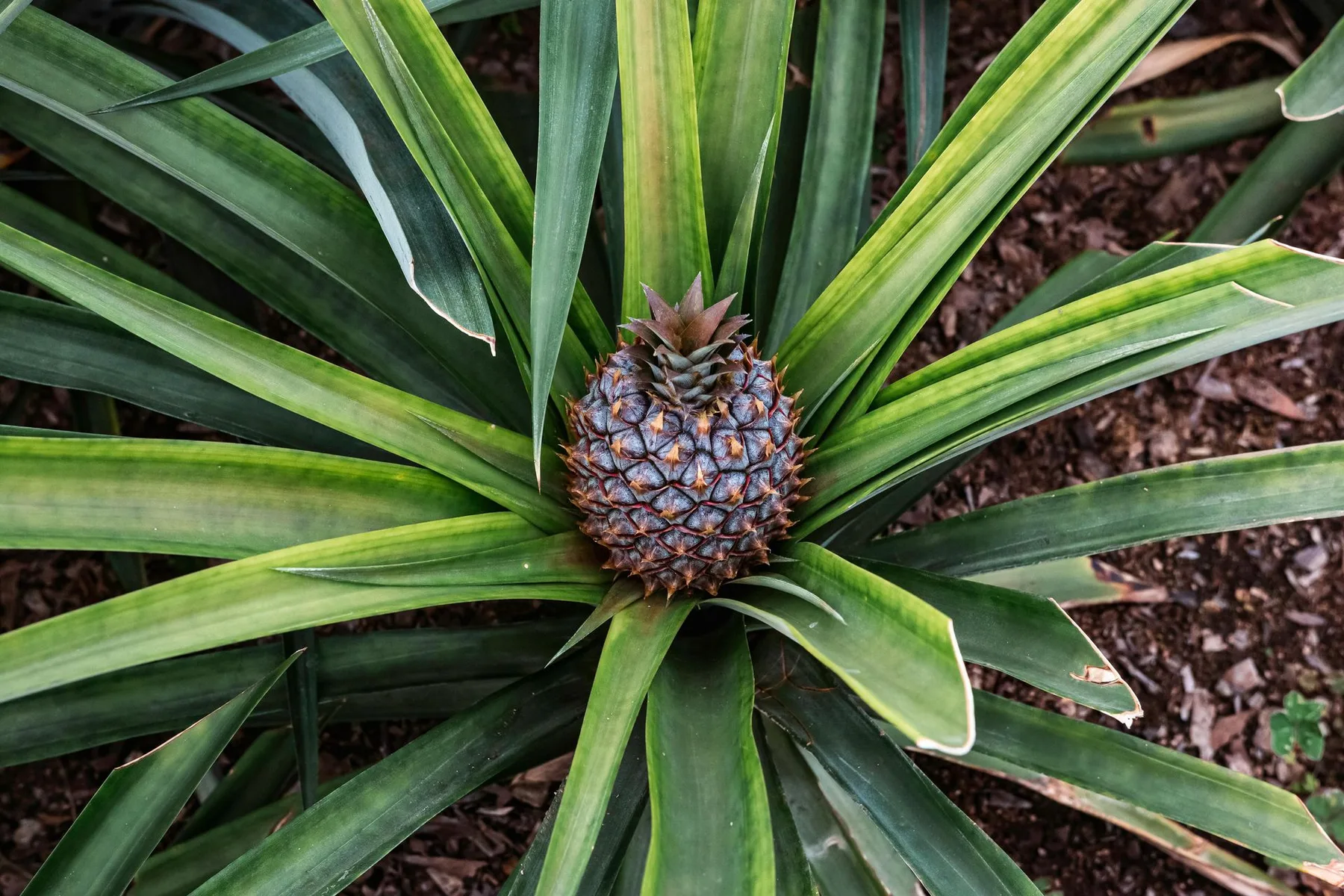
NOVA Group 1 foods—fresh fruits, vegetables, nuts, seeds, whole grains, legumes, eggs, and unprocessed meats—are consistently associated with better health outcomes.
These foods align beautifully with Coral Cove’s philosophy: real nourishment from the earth.
3. Cook More, Even If Simply
You don’t need elaborate meals.
Steamed veggies, baked fish, fresh tropical fruit, coconut rice, soups, porridges—simple foods prepared with intention nourish deeply.
Cultures known for longevity (Mediterranean, Japanese, Korean) thrive on unprocessed or minimally processed foods prepared at home.
4. Replace Convenience Foods with Conscious Choices
Small swaps make big changes:
- sparkling water → instead of soda
- nuts, fruit → instead of packaged snacks
- oatmeal → instead of flavored instant cereal
- simple whole grain breads → instead of additive-heavy loaves
These choices gently shift your body toward vitality, clarity, and balance.
Why This Matters for Your Wellness JourneyYour health is shaped not only by what you eat, but by how it makes you feel.
Many guests come to Coral Cove seeking:
- reduced inflammation
- improved digestion
- clearer thinking
- better energy
- calmer moods
- deeper connection to their bodies
Reducing ultra-processed foods is one of the most powerful, accessible steps you can take toward these goals. Not from a place of restriction—but from a place of self-love, self-honoring, and alignment with nature.
When you choose real food, you choose real healing.
Monteiro, Carlos A., et al. “Ultra-Processed Foods: What They Are and How to Identify Them.” Public Health Nutrition, vol. 22, no. 5, 2019, pp. 936–941.
Elizabeth, L., et al. “Ultra-Processed Foods and Adverse Health Outcomes: A Systematic Review.” Nutrients, vol. 12, no. 1955, 2020.
Rauber, Fernanda, et al. “Consumption of Ultra-Processed Foods and Health Status: A Systematic Review and Meta-Analysis.” Public Health Nutrition, 2019.
